AION 2 Classes: All 8 Launch Classes Explained
All eight AION 2 launch classes explained — roles, weapons, learning curve, and who each suits — plus how class change works and why Brawler is missing.
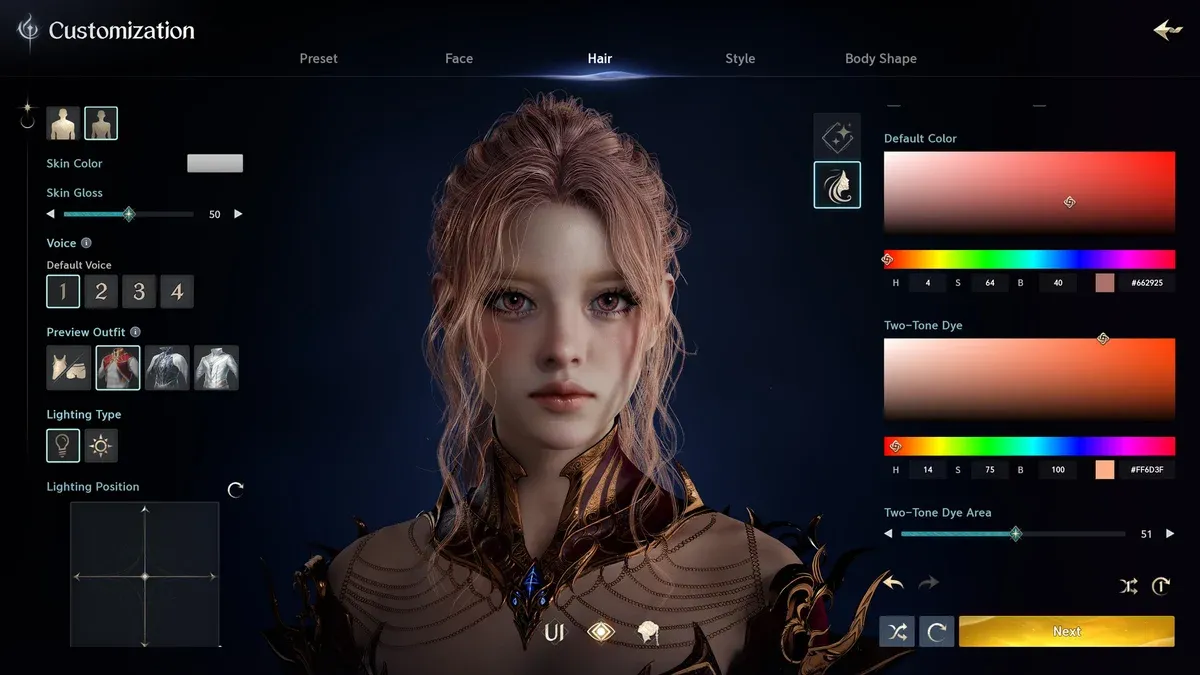
AION 2 reaches global servers on October 5 with eight playable classes: a sword-and-shield tank, three melee and ranged damage dealers on the frontline side, a burst caster, a pet summoner, a main healer, and a buff support. All eight are available to both factions — Elyos and Asmodians — and nobody picks a class at character creation. Every character starts as an Adventurer and commits to a class early in the story.

AION 2 — Official Launch Reveal Trailer
How does class selection work?
You don’t pick a class in the character creator. The flow is:
- Choose a faction — Elyos or Asmodians. Factions are kept on separate servers, and the class roster is identical on both sides, so this is an aesthetic and community choice, not a gameplay one.
- Play as an Adventurer — the shared starting class that teaches the basics.
- Commit through the early story — an early class-change step locks you into one of the eight classes. Treat the choice as a real commitment; there’s no confirmed free re-class system at launch.


Combat is a hybrid: tab-target foundations with action-game elements, so positioning and timing matter alongside rotations. On top of the base kit, each class deepens through its skill tree, Stigma selections, and the Daevanion Board — the beginner guide walks through how those systems fit together.
What are the frontline classes?
Three of the eight classes live in melee range — but they play very different roles.
Templar — the tank
Weapon: sword and shield · Role: tank · Learning curve: moderate
The Templar is the roster’s only true tank: it holds threat, sets the pace of pulls, and stands between the boss and everyone else. Because every serious dungeon party needs exactly one and only one class can fill the slot, Templars will never struggle for invites. The trade-off is responsibility — a bad pull or a missed reposition is everyone’s problem. Pick it if you like leading groups and being the anchor; skip it if you hate being blamed for wipes.
Gladiator — the greatsword brawler
Weapon: greatsword · Role: melee DPS · Learning curve: gentle
The Gladiator trades the shield for a huge blade and stays on the frontline as a damage dealer. It’s the most approachable of the melee classes — durable enough to forgive positioning mistakes while still swinging for satisfying numbers. Pick it if you want direct, uncomplicated combat and plan to do a lot of solo fighting on the way to cap; see our leveling guide for why durability matters on the road to 45.
Assassin — the burst specialist
Weapon: daggers · Role: melee DPS · Learning curve: demanding
The Assassin is the precision end of melee: fast, fragile, and built around finding the right window to unload damage. It asks more of your positioning and timing than the Gladiator and punishes sloppy play harder. Pick it if you enjoy high-execution classes where skill expression shows up on the damage meter — and in PvP, where picking off a straggler matters more than standing in the line.
What are the ranged and magic classes?
With free flight woven into combat across the entire world — covered in our flying guide — ranged uptime is worth real money in this game.
Ranger — the archer
Weapon: bow · Role: ranged physical DPS · Learning curve: moderate
The Ranger deals physical damage from range and is built around mobility and kiting — dealing damage while staying out of reach is the whole playstyle. It’s one of the most self-sufficient classes for solo play, and ranged pressure tends to age well in aerial PvP. Pick it if you like staying safe and dictating the range of every fight.
Sorcerer — the burst caster
Weapon: spellbook · Role: ranged magic DPS · Learning curve: moderate
The Sorcerer is the classic glass cannon: the biggest hits on the roster, traded against the worst defenses. Positioning discipline is the skill tax — you cast from safety or you die. Pick it if you want big numbers and don’t mind being responsible for your own survival.
Spiritmaster — the summoner
Weapon: orb · Role: summoner / DPS · Learning curve: demanding
The Spiritmaster — listed as Elementalist in some pre-launch coverage, same class — fights through summoned spirits rather than raw personal damage. Commanding a pet that can occupy enemies while you cast makes it strong solo, but adds a layer of micromanagement other classes don’t carry. Pick it if indirect control and pet play appeal to you; how summons scale at the level-45 cap is one of the things we’ll verify on day one.
What are the support classes?
Two classes exist to make everyone else better — and in a game with 200+ dungeons, they’re the roles parties recruit first.
Cleric — the main healer
Weapon: mace · Role: healer · Learning curve: gentle to pick up, demanding to master
The Cleric is the only dedicated main healer in the launch roster. Like the Templar, it’s a scarce-role class: every group needs one, and the supply never meets the demand. The mechanics are approachable; the responsibility of keeping eight people alive is not. Pick it if you want guaranteed dungeon invites and can handle being the person everyone looks at when things go wrong.
Chanter — the force multiplier
Weapon: staff · Role: buff support · Learning curve: moderate
The Chanter strengthens the whole party with enhancements rather than topping any single meter — its contribution shows up in everyone else’s numbers. That makes it welcome in almost any composition while staying self-sufficient enough to solo comfortably. Pick it if you like support play but want a class that can still fight its own battles.
Where is Brawler?
If you’re coming from Korean-version guides, that’s the biggest roster difference to internalize — see global vs Korea: what’s different for the full version-gap breakdown.
Which class should you pick?
- Want guaranteed party invites? Templar or Cleric — one tank and one healer class means permanent scarcity in both roles.
- Want to deal damage? Gladiator for forgiving melee, Assassin for execution, Ranger or Sorcerer for range, Spiritmaster for pets.
- Playing mostly solo? Ranger, Gladiator, and Spiritmaster are the self-sufficient picks; the leveling guide explains why.
- Here for PvP? The Abyss guide covers the mode, and our class tier list ranks all eight per scenario — dungeons, solo leveling, and Abyss PvP get separate lists because one ranking can’t serve all three.
- Lowest-regret option? Pick the role you enjoy. Damage rankings shuffle every balance patch; tank and healer demand never does.
New to the game entirely? Start with the beginner guide, then check the tier list once you know which content you’ll actually play.
Related Articles
Was this helpful?
Thanks for the feedback!